Guides · Updated October 23, 2026
Power station and generator guides
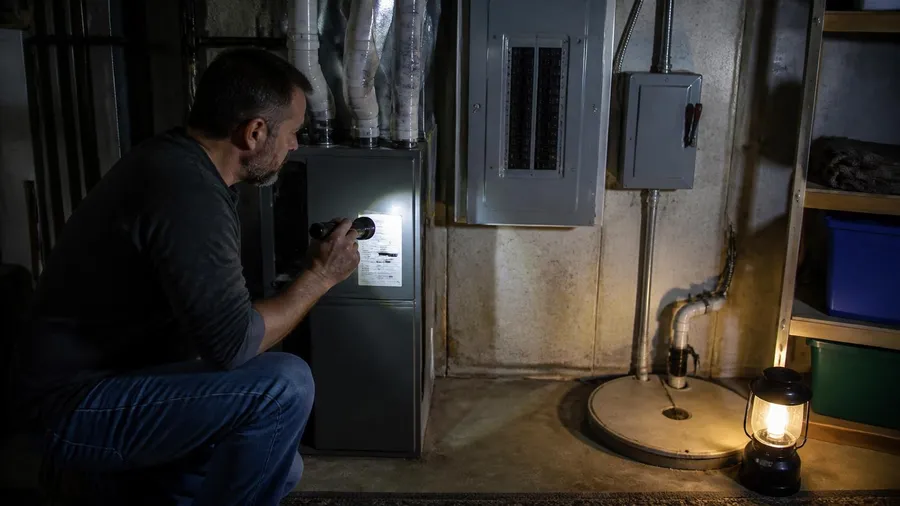
Start with the question you actually have. Sizing a generator for the house, choosing between a generator and a battery, comparing power station brands or picking a quiet inverter generator each have their own guide, and every one uses manufacturer specs and the same runtime and surge rules as the calculator.
Pick by question
| Your question | Go to |
|---|---|
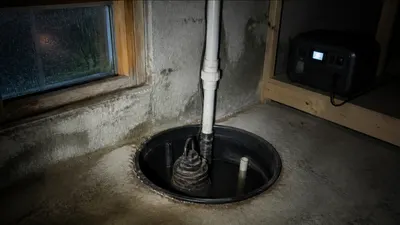
| What size generator runs my fridge, furnace and sump pump? | What size generator for a house |
| Do I want fuel or a battery? | Generator vs power station |
| Which generator for home backup through a transfer switch? | Best generator for home backup |
| I have a 30 A inlet. How big a generator? | Generator size for a 30 amp inlet (30 A × 240 V = 7,200 W max) |
| What can a 2,000 W generator run? | What can a 2,000-watt generator run? (1,800 W running; fridge + furnace yes, 240 V no) |
| Which generator is quietest? | Quietest inverter generators |
| EcoFlow, Jackery or BLUETTI? | EcoFlow vs Jackery vs BLUETTI |
| How do I get through a 3-day outage? | 3-day power outage backup plan (battery vs solar vs generator, with fuel math) |
| What's the best power station under $500? | Best power station under $500 |
| How long will a power station run an oxygen concentrator? | Power station for an oxygen concentrator |
| How many days can a power station keep insulin cold? | Power station for an insulin fridge |
| Can a power station run a space heater? | Best power station for a space heater |
| Can a power station run a well pump? | Best power station for a well pump |
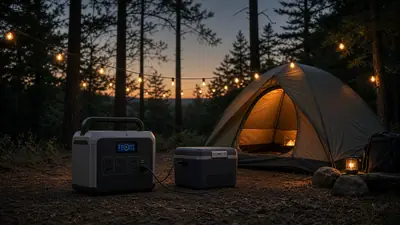
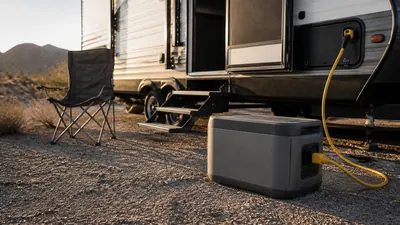
| Which station for a fridge, CPAP, sump pump, RV or camping? | Best power station for the job |
Generator and brand guides
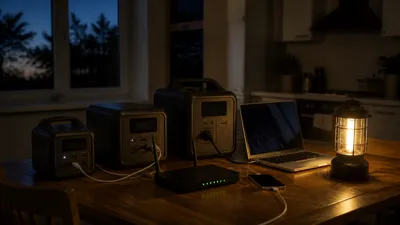
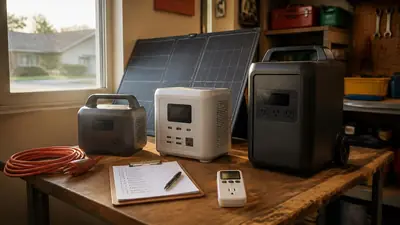
Power station buying guides

How runtimes on these pages are calculated
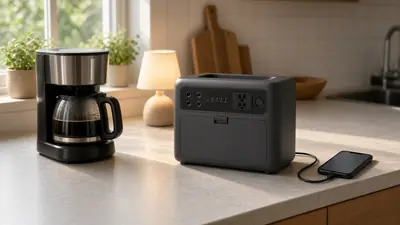
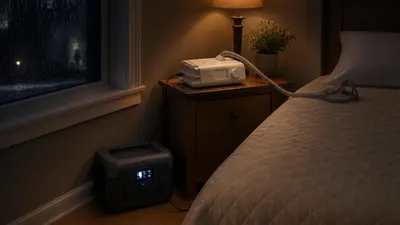
Every runtime uses the same published rule from our methodology: runtime = nameplate Wh × 0.85 ÷ (average load W + about 15 W). The 0.85 is our allowance for inverter loss, not a measured efficiency for any model. The 15 W is inverter self-consumption, the figure BLUETTI uses in its AC180 runtime formula; it barely matters for a 1,000 W heater but cuts a router or compact-fridge estimate by a third or more. CPAP pages also show DC-converter nights separately as a best case.
For starting a motor (fridge, sump pump, AC), a station only counts its surge figure when the maker lists it separately from a heater-only boost mode. X-Boost, Power Lifting and SurgePad are treated as resistive-only.
Generator rules every guide uses
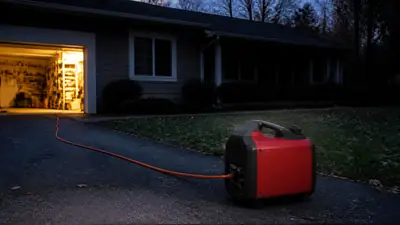
Running watts is what a generator holds continuously; starting watts is the brief burst for a motor start. A generator clears an appliance only when running draw fits running watts and startup draw fits starting watts. When a maker does not publish startup watts, we require starting watts of at least 3× running draw and say so. Dual-fuel models are compared on their gasoline rating. Details are in the methodology.
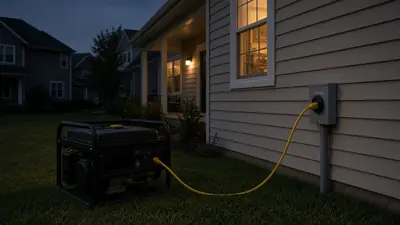
Safety: run generators outdoors only, at least 20 feet from the home with exhaust pointed away from doors, windows and vents; use CO alarms; never backfeed through a wall outlet or dryer plug; and have a licensed electrician install a transfer switch or listed interlock. See generator safety.