Buying guides · Updated October 23, 2026
Best power station for the job
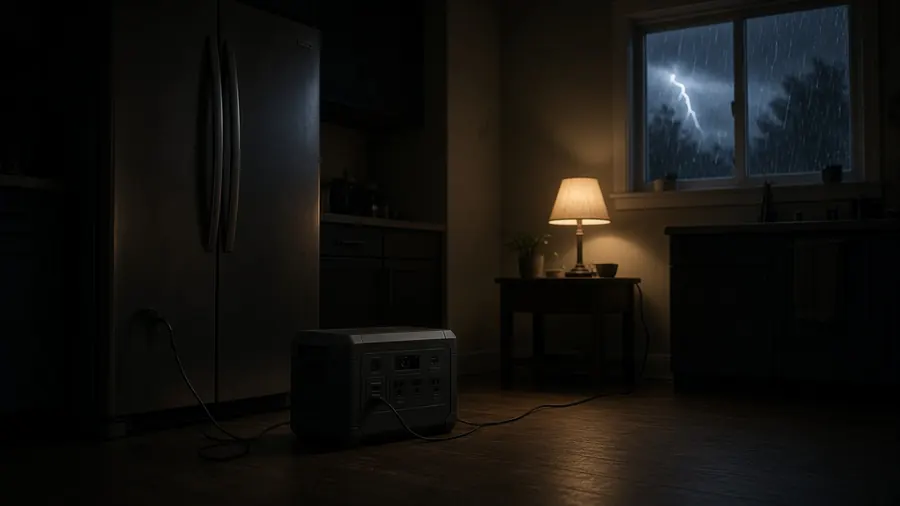
Pick the job, then the station. A fridge, a CPAP, a sump pump and an RV air conditioner stress a power station in different ways: a fridge needs a motor-start surge and days of watt-hours, a CPAP needs a fast UPS switchover and low overnight draw, a sump pump needs high continuous watts, and an RV AC needs both. Each guide below ranks stations against the published spec that decides that job.
Every “best power station for” guide
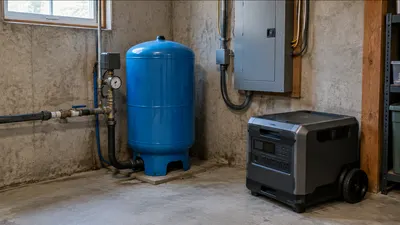

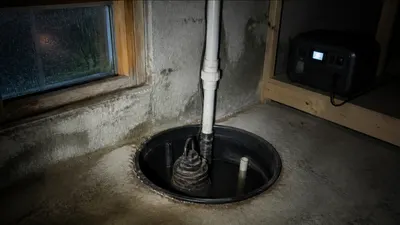
The spec that decides each job
| Job | Deciding load figure | Source | What to check on the station |
|---|---|---|---|
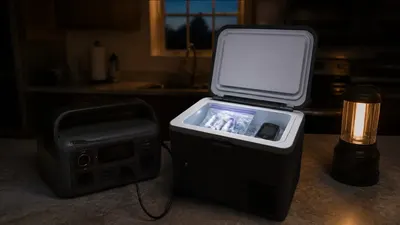
| Fridge | 41–82 W average for ENERGY STAR full-size fridges; plan for about 1,200 W at motor start | ENERGY STAR; Haier and Champion start-up figures | Motor surge (not boost mode), Wh for the outage length |
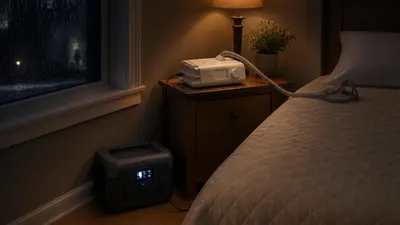
| CPAP | ResMed AirSense 11: 7 W humidifier off, 19 W humidifier on, 55 W heated tube | ResMed | Published UPS switchover time, DC output, auto-off timer |
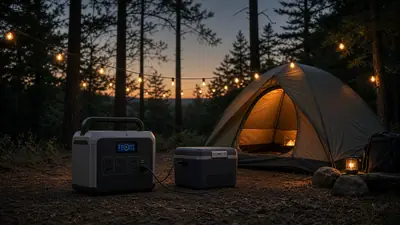
| Camping | Carry weight vs Wh (RIVER 2: 7.7 lb, 256 Wh) | EcoFlow | Weight, solar input, DC ports |
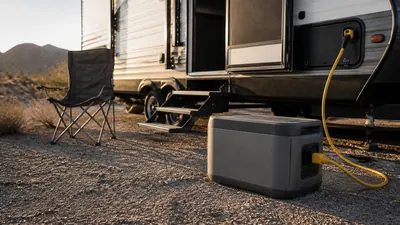
| RV | 8,000 Btu/h BLACK+DECKER window unit ≈ 533 W cooling | ENERGY STAR CEER | 600 W+ continuous; compressor start is unpublished |
| Home backup | Stored energy: DELTA Pro 3 4,096 Wh vs F3800 3,840 Wh; 1,500 W heater | EcoFlow, Anker | Continuous W, 120/240 V output, expansion |
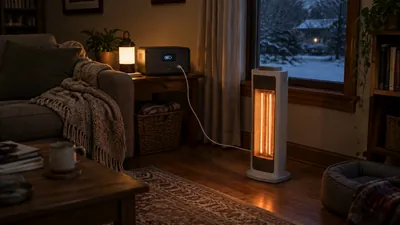
| Space heater | Typical portable heater 1,500 W continuous (12.5 A); 900 W or 750 W on low; ~35 min per kWh on high | Lasko 755320, Honeywell HCE317 manual, DeLonghi, Sunbeam | Published continuous W ≥ setting (not surge); Wh for the hours you actually need |
| Well pump | Franklin 1/2–1 HP: 670–1,210 W running; 23–49 A locked-rotor at 230 V; usually 240 V | Franklin AIM manual, Grundfos SQ, Amtrol, EPA | Native 240 V output; surge amps ≥ motor LRA; transfer switch or interlock |
| Sump pump | Zoeller M53: 1,115.5 W running, 2,040 GPH at 10 ft ≈ 547 Wh per 1,000 gal | Zoeller, Honda | Gallons per charge (Wh), continuous W, motor-rated surge |
How runtimes on these pages are calculated
Every runtime uses the same published rule from our methodology: runtime = nameplate Wh × 0.85 ÷ (average load W + about 15 W). The 0.85 is our allowance for inverter loss, not a measured efficiency for any model. The 15 W is inverter self-consumption, the figure BLUETTI uses in its AC180 runtime formula; it barely matters for a 1,000 W heater but cuts a router or compact-fridge estimate by a third or more. CPAP pages also show DC-converter nights separately as a best case.
For starting a motor (fridge, sump pump, AC), a station only counts its surge figure when the maker lists it separately from a heater-only boost mode. X-Boost, Power Lifting and SurgePad are treated as resistive-only.
More ways to size it
- Calculator: add your station and appliances for a verdict and runtime.
- 24-hour and 3-day outage planners.
- CPAP and BiPAP pages by machine and station.
- All guides, including brand comparisons and generator sizing.
Medical devices: power stations are not medical devices, and several makers say their stations are not for life-sustaining equipment. Ask your doctor or equipment supplier before relying on battery power for a CPAP or other medical device.
Shopping on a budget? Best power station under $500 compares the sub-$500 models by fridge surge, switchover time, solar and stock.